
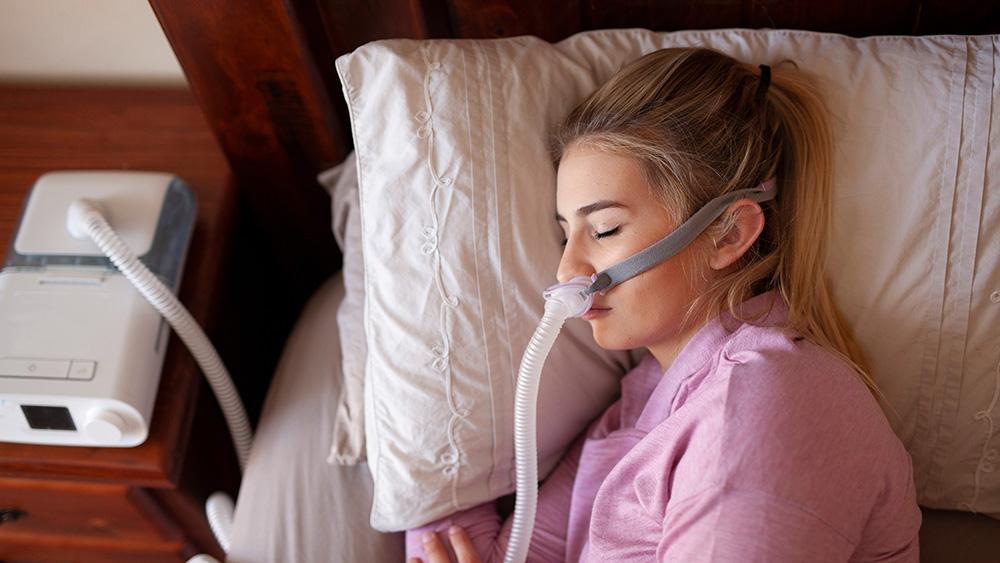
Breathing and sleep health can play an important role in overall wellness, growth, development, and quality of life. At Walton & Maready Orthodontics, our orthodontists screen for signs and risk factors associated with sleep-disordered breathing (SDB) as part of comprehensive orthodontic care.
Sleep-disordered breathing includes conditions ranging from chronic snoring to obstructive sleep apnea (OSA). While orthodontists do not diagnose sleep apnea, we may help identify signs that warrant further medical evaluation and coordinate care with sleep physicians, pediatric ENTs, pediatricians, and other healthcare providers when appropriate.
What is Sleep-Disordered Breathing?
Sleep-disordered breathing (SDB) refers to a spectrum of breathing problems that occur during sleep. These conditions can affect both children and adults and may interfere with healthy sleep, oxygen flow, daytime energy, concentration, and overall health.
Conditions within the spectrum of sleep-disordered breathing include:
- Chronic snoring
- Upper airway resistance
- Obstructive sleep apnea (OSA)
Obstructive sleep apnea is a medical condition that requires diagnosis by a physician through appropriate sleep testing and clinical evaluation.
What are the Signs of Sleep-Disordered Breathing?
Orthodontists often see patients regularly during important stages of growth and development, which may help identify signs associated with sleep-disordered breathing.
Possible signs and symptoms may include:
In Children
- Chronic mouth breathing
- Snoring
- Restless sleep
- Daytime fatigue
- Difficulty concentrating
- Enlarged tonsils
- Chronic nasal congestion
- Interrupted sleep patterns
In Adults
- Loud snoring
- Excessive daytime sleepiness
- Morning headaches
- Witnessed pauses in breathing during sleep
- Difficulty staying asleep
- Fatigue or reduced energy
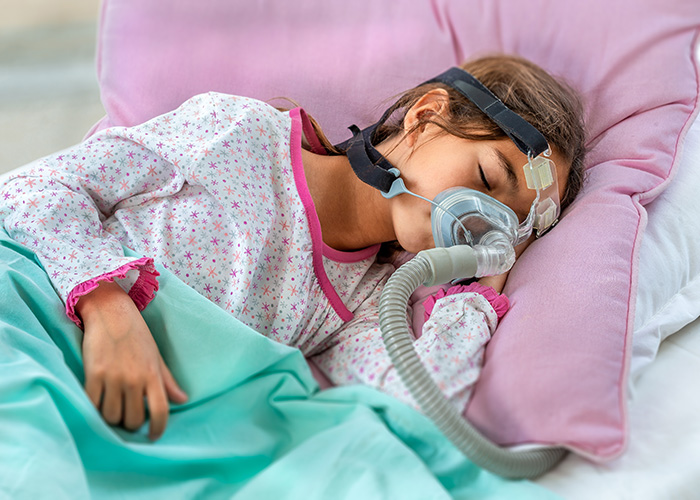
These symptoms do not necessarily mean a patient has sleep apnea, but they may indicate the need for further medical evaluation.
What is the Role of Orthodontists in Sleep-Disordered Breathing?
Orthodontists can play an important role in screening for sleep-disordered breathing risk factors and helping guide patients toward appropriate medical care when concerns are identified.
At Walton & Maready Orthodontics, our role may include:
- Reviewing medical and dental history
- Screening for signs associated with sleep-disordered breathing
- Evaluating growth and development patterns
- Discussing airway-related concerns with patients and parents
- Referring patients to medical specialists when appropriate
Collaborating with physicians as part of an interdisciplinary treatment team
Sleep-disordered breathing is a medical condition, and diagnosis must be made by a physician.

A Collaborative Approach
Effective management of sleep-disordered breathing often involves collaboration between multiple healthcare professionals. Depending on the patient’s needs, this may include coordination with:
- Sleep medicine physicians
- Pediatric ENTs (ear, nose, and throat specialists)
- Pediatricians
- Primary care physicians
- Oral surgeons
- Other healthcare providers
For children with suspected airway obstruction, enlarged tonsils/adenoids, chronic nasal obstruction, or sleep-related concerns, evaluation by a pediatric ENT or sleep physician may be recommended before orthodontic treatment decisions are made.
Orthodontics and Sleep Apnea: What Current Research Shows
Current research supports the important role orthodontists play in screening and interdisciplinary care. However, evidence does not support orthodontic treatment alone as a cure or preventive treatment for obstructive sleep apnea.
The American Association of Orthodontists (AAO) states that:
- Orthodontists should screen and refer patients when sleep-disordered breathing is suspected
- Sleep apnea diagnosis requires physician evaluation
- Orthodontic treatment alone has not been proven to prevent or cure obstructive sleep apnea
- Airway measurements on CBCT or X-rays should not be used to diagnose sleep apnea
At Walton & Maready Orthodontics, we believe in evidence-based care that prioritizes patient health, safety, and collaboration with medical professionals.
Oral Appliance Therapy for Sleep Apnea
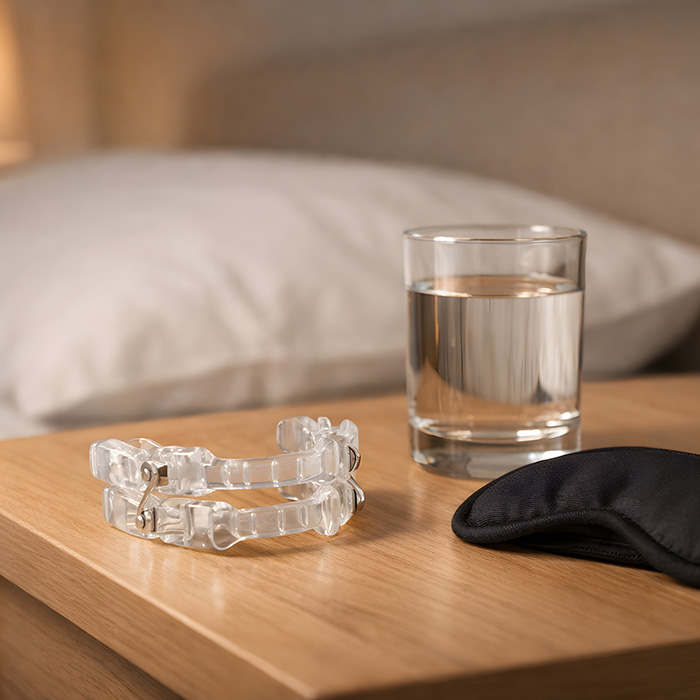
In select adult patients with diagnosed mild to moderate obstructive sleep apnea, oral appliance therapy may be recommended by a physician as part of a coordinated treatment plan.
Oral appliance therapy typically involves a custom oral device designed to help maintain an open airway during sleep.
If oral appliance therapy is appropriate, treatment should include:
- A formal sleep apnea diagnosis by a physician
- Coordination with the patient’s sleep physician
- Ongoing monitoring and follow-up care
- Follow-up sleep testing to confirm treatment effectiveness
Not every patient is a candidate for oral appliance therapy, and treatment recommendations should always be based on comprehensive medical evaluation.
Schedule an Orthodontic Consultation
At Walton & Maready Orthodontics, we are committed to comprehensive, evidence-based orthodontic care. If you have concerns about sleep-disordered breathing, mouth breathing, snoring, or related symptoms, our team can help determine whether further evaluation may be appropriate and coordinate care with medical specialists when needed.
Frequently Asked Questions
Can braces or expanders cure sleep apnea?
Current evidence does not support orthodontic treatment alone as a cure for obstructive sleep apnea.
Why would an orthodontist ask about sleep or breathing?
Orthodontists may identify signs associated with sleep-disordered breathing during routine examinations and can help refer patients for further medical evaluation when appropriate.
Should children with airway concerns see an ENT?
In many cases, yes. Children with enlarged tonsils, chronic mouth breathing, snoring, or suspected airway obstruction may benefit from evaluation by a pediatric ENT or sleep physician.
Can orthodontists diagnose sleep apnea?
No. Sleep apnea is a medical condition that must be diagnosed by a physician through appropriate clinical evaluation and sleep testing.
What is oral appliance therapy?
Oral appliance therapy uses a custom device worn during sleep to help maintain an open airway in select patients with diagnosed obstructive sleep apnea.